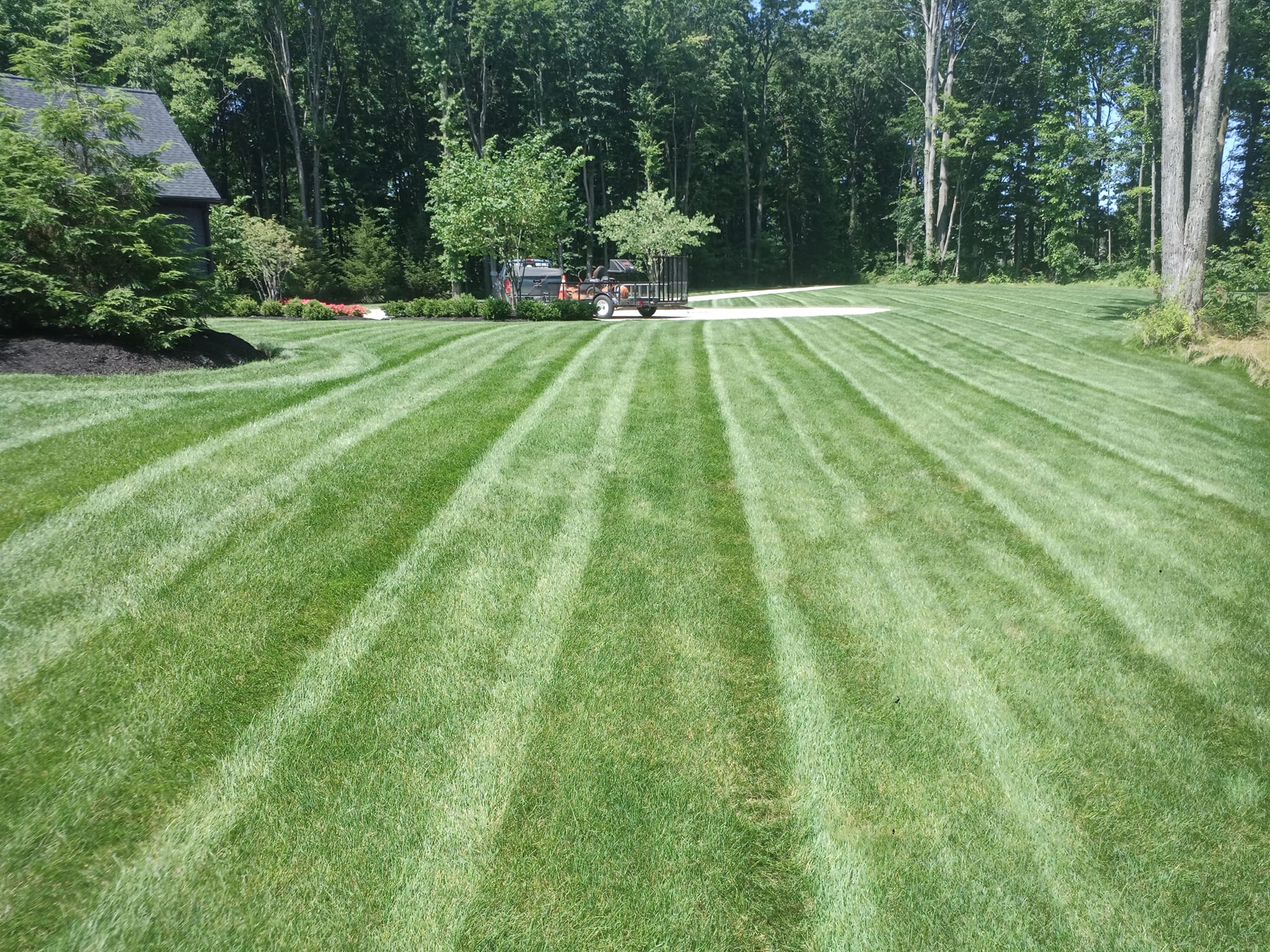
Seasonal Landscaping Tips with Hendricks Mowing: Keeping Your Lawn Vibrant Year-Round Jan 07, 2026
Spring marks a fresh start and a perfect time to rejuvenate your lawn after the dormant winter months. Begin by performing a thorough cleanup of any debris that may have accumulated, such as fallen leaves and branches. This not only improves the aesthetic but also allows your grass to breathe and thrive. Aeration is another key task during spring, as it alleviates soil compaction and promotes root growth by enabling water and nutrients to penetrate deeper into the soil.
Spring is also the ideal time to start a fertilization routine. Choose a slow-release fertilizer to provide consistent nourishment as your lawn awakens. Pay special attention to weed prevention by applying pre-emergent herbicides, which help curb the growth of unwanted plants before they become a problem. During this season, regularly mowing your lawn to the recommended height for your grass type is crucial for healthy growth.
As the heat intensifies in summer, adjust your watering practices to ensure your lawn remains hydrated but not waterlogged. Early morning irrigation is best, reducing evaporation and giving your grass ample time to absorb moisture. Consider installing a smart irrigation system to optimize water usage efficiently. Summer is also the time to keep your mower blade sharp; grass cut with a dull blade can lead to brown tips and increased susceptibility to disease.
During the autumn months, focus on preparing your lawn for winter. One essential task is leaf removal, as fallen leaves can suffocate your grass and promote fungal diseases if left unattended. Fall is a great season for overseeding, especially if your lawn has bald spots. The cooler temperatures and increased rainfall provide optimal conditions for seed germination and establishment.
Applying a winterizer fertilizer high in potassium will help fortify your lawn's root systems, making them more resilient to the cold months ahead. Furthermore, fall is an opportune time to plant spring-flowering bulbs and perennials, which will emerge triumphantly as soon as warmer weather returns.
Finally, winter is a time of dormancy, but there are still measures to keep your lawn in good health. Minimize foot traffic on frosted or snow-covered grass to prevent damage. When snow arrives, use calcium chloride-based de-icers instead of rock salt, which can harm both grass and surrounding plants. Come late winter, a light application of lime can balance the soil pH if it tends to be overly acidic due to decomposition processes during the colder months.
By following these seasonal landscaping tips from Hendricks Mowing, you’ll maintain a lush, healthy yard that not only enhances your property’s curb appeal but also provides an inviting outdoor space for you and your family. Our landscape professionals are here to assist with any questions and offer services tailored to meet the specific needs of your lawn throughout the year. Reach out to us today to schedule a consultation and discover how we can transform your landscape into a vibrant masterpiece year-round.
/filters:no_upscale()/filters:format(webp)/media/798963d4-6d12-4dbc-ae5b-2a3e361796a5.jpeg)
/filters:no_upscale()/filters:format(webp)/media/06764068-7f59-4b7f-abf0-89720d872de2.jpeg)